
If you’re building, buying, or improving a home in California, seismic details matter more than many homeowners realize. Additionally, carriers that insure high-value homes, such as PURE, Chubb, and Cincinnati, often look for these features during underwriting.
When underwriters review a property in an earthquake-prone area, there are four common features they like to see documented in the engineering report because they can make a meaningful difference in how a home performs during a major seismic event.
Some older California homes may also qualify for retrofit assistance through the Earthquake Brace + Bolt program.
Water Heater Bracing
Water heaters should be securely double-strapped to help prevent tipping or movement during an earthquake. According to the California Seismic Safety Commission, new and replacement water heaters are required by law to be anchored or strapped to prevent them from falling, and sellers must certify that water heaters are braced at the time of sale.
This is usually one of the easiest and most cost-effective seismic safety improvements a homeowner can make.
Water Heater Bracing FAQ
- What does this mean? A typical compliant setup uses two metal straps, one in the upper portion of the tank and one in the lower portion, both securely attached to the framing.
- Why does this matter? A falling water heater can break gas or water lines, leading to fire, flooding, or toxic gas release after an earthquake.
- What do insurance underwriters look for? Confirmation that all tank-style water heaters are properly braced, including units in guest houses, ADUs, or other detached structures if applicable.
Seismic Gas Shut-Off Valve
A seismic gas shut-off valve is designed to automatically stop gas flow when significant shaking occurs. Some California jurisdictions require seismic gas shut-off valves to comply with specific code standards, including referenced state standards for installation and performance.
For high-value homes, this added layer of protection can be especially important because it helps reduce the chance of a severe secondary fire loss.
Seismic Gas Shut-Off Valve FAQ
- What does this mean? The valve is installed on the gas line to prevent gas from continuing to flow after an earthquake.
- Why does this matter? Gas leaks are a major post-earthquake fire risk, and fire losses can become even more destructive than the original shaking damage.
- What do insurance underwriters look for? Documentation that a seismic shut-off valve is installed where appropriate and complies with applicable local code or project requirements.
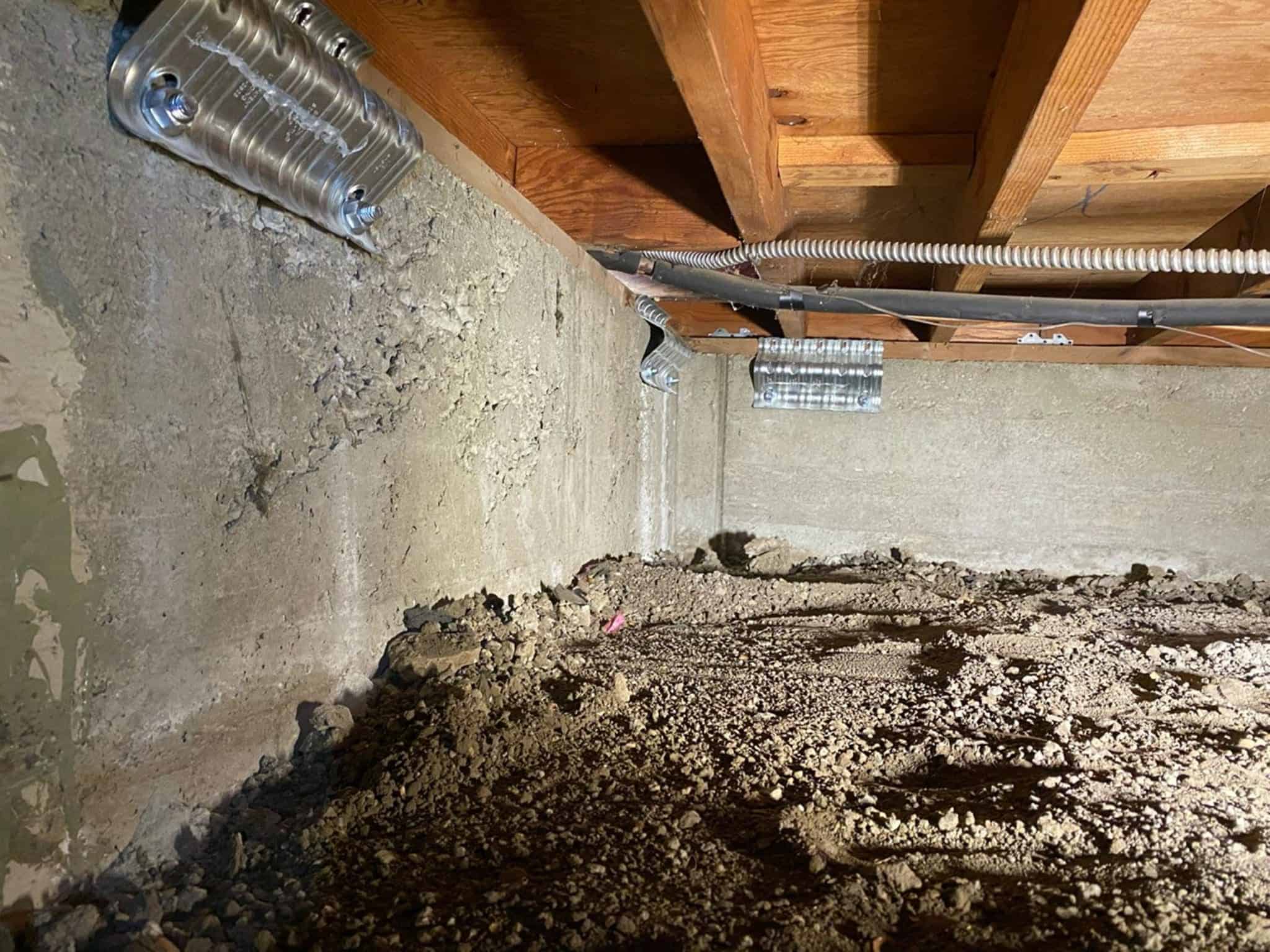
Foundation Bolting
A home should be properly bolted to its foundation so the wood framing stays connected to the concrete base during an earthquake. Under the 1997 Uniform Building Code, anchor bolts were a key part of seismic protection, with spacing commonly referenced as 6 feet on center for one-story homes and 4 feet on center for two-story homes.
This is one of the most important “behind-the-walls” seismic features because it helps keep the home structurally connected during ground motion.
Foundation Bolting FAQ
- What does this mean? Anchor bolts connect the house framing to the concrete foundation, helping reduce the chance that the structure shifts or slides during heavy shaking.
- Why does this matter? Older or poorly anchored homes can shift off their foundations during a strong quake, leading to major structural damage and much larger insurance losses.
- What do insurance underwriters look for? Clear confirmation that the dwelling is bolted to the foundation in line with applicable seismic standards, along with details on spacing, locations, and any upgrades performed.
Cripple Wall Bracing
If the home has cripple walls, those areas should be properly braced. A cripple wall is the short framed wall between the foundation and the first floor, often found in homes with raised foundations or crawlspaces, and they can be especially vulnerable in an earthquake if left unreinforced.
Not every home has cripple walls, but when they are present, proper bracing is one of the most meaningful retrofit items for older raised-foundation homes.
Cripple Wall Bracing FAQ
- What does this mean? Bracing usually involves adding structural sheathing and strengthening connections to better resist side-to-side movement.
- How do I spot a cripple wall? If the front entry sits several steps above grade, that can be a clue that the home has a raised foundation and may include cripple walls.
- Why does this matter? Unbraced cripple walls can rack or collapse during shaking, which may cause the home above to tilt, settle, or suffer severe damage.
- What do insurance underwriters look for? A statement confirming whether cripple walls are present, and if they are, documentation that bracing meets the applicable seismic standard.
California Retrofit Grants
Some older California homes may qualify for grant assistance through the Earthquake Brace + Bolt program. The program helps eligible homeowners strengthen raised-foundation homes by bolting the framing to the foundation and bracing cripple walls where needed.
According to the program, as of 2026, eligible homeowners may qualify for a grant of up to $3,000, and income-eligible households may qualify for additional assistance of up to $7,000.